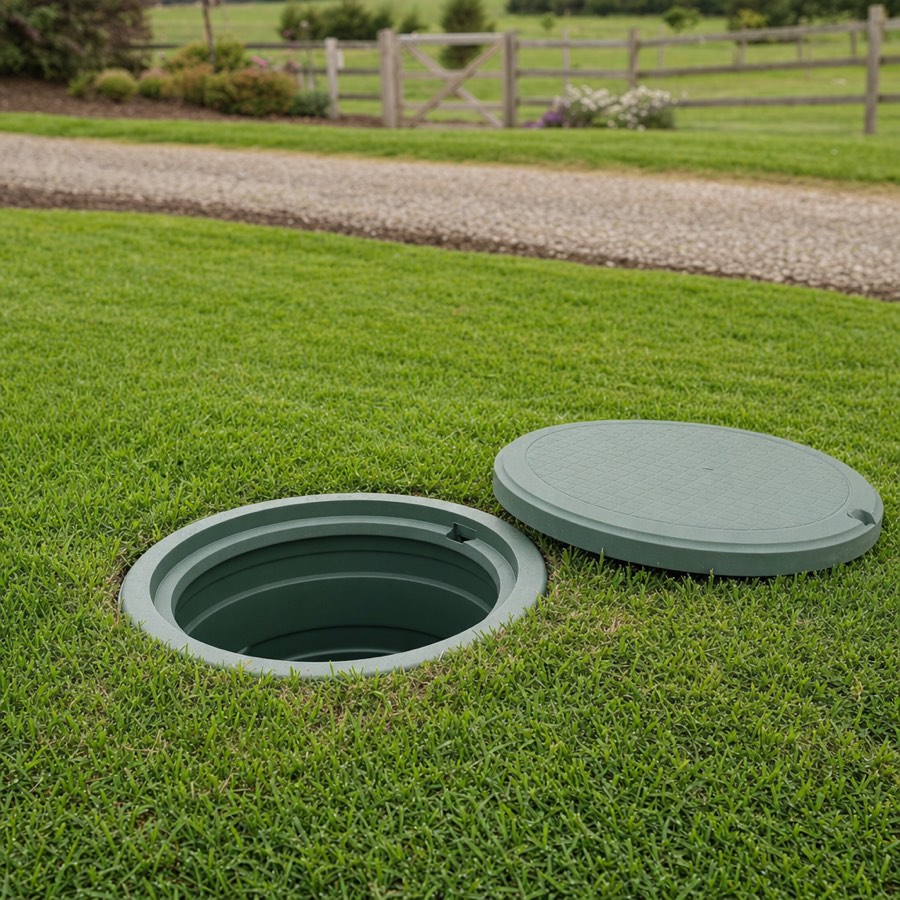
Why is the septic system the blind spot in rural deals?
Because nobody else in the transaction opens it. A buyer spends money inspecting the house, the well, sometimes the outbuildings. Meanwhile the septic system, a buried asset whose worst-case repair rivals a new roof and then some, changes hands on the strength of a seller's memory of "pumped a few years back." In the Fraser Valley, where a large share of homes outside the sewer boundaries in Abbotsford, Mission, Chilliwack and the Langleys run on septic, that blind spot swallows more renovation budgets than almost anything else.
A dedicated septic inspection closes it. We open the system, measure what can be measured, load it with water, and report what we find in plain language. If the system is healthy, you remove subjects with confidence. If it is not, you found out while it is still the seller's problem.
What does a septic inspection actually check?
Three things: the tank and its hardware, the distribution and drain field under a controlled water load, and the paper trail filed with the health authority. Here is what that means component by component.
The tank
- Location, material, size and apparent age, and whether the size suits the house
- Sludge and scum levels versus capacity, which reveal the true pumping history
- Inlet and outlet baffles or tees, the parts that quietly rot away in older concrete tanks
- Structural condition: cracks, root intrusion, lid condition and safety, riser seals
- Liquid level behaviour, the tell-tale for leaks in and out
Distribution and field
- Distribution box or pump chamber condition, and float and alarm function where fitted
- Evidence of ponding, breakout, odour or lush stripes over the field
- Probing and, where warranted, shallow exposure of field components
- A hydraulic load test: running a controlled volume of water through the system to see whether the field accepts it or pushes back
- Site factors: setbacks to wells and watercourses, traffic or livestock over the field, drainage directed onto it
The paper trail
Systems installed or repaired since 2005 should have filings with the health authority (Fraser Health in this region), and newer Type 2 and 3 systems carry maintenance plans. Fraser Health charges a $50 file search fee for a record of permits and filings on a property, which is the cheapest piece of due diligence in the whole transaction. We tell you what records to ask for and what their absence means: an unpermitted or undocumented system is a negotiating fact worth knowing before subjects come off.
Home inspection vs septic inspection: what is the difference?
A home inspection tests whether water goes down. A septic inspection tests whether the system can keep accepting it. The two are booked side by side during the subject period and they do not overlap.
| Check | Standard home inspection | Septic inspection |
|---|---|---|
| Runs water, notes drainage | Yes | Yes |
| Opens the tank lids | No | Yes |
| Measures sludge and scum levels | No | Yes |
| Inspects inlet and outlet baffles | No | Yes |
| Hydraulic load test on the drain field | No | Yes |
| Checks pump, floats and alarm | No | Yes |
| Reviews health authority filings | No | Yes |
| Typical Fraser Valley cost | Separate fee | $300 to $700 |
Cost figures are indicative market ranges for the central Fraser Valley as of August 2026, not a quote. Scope, access and whether the tank is pumped at the same time move the number.
What does the inspection report give you?
A written, photographed condition assessment your realtor can put in front of the seller the same week. Within a business day or two of the visit you receive a written report with photos: what the system is, its measured condition, deficiencies ranked by seriousness, and realistic cost context for anything that needs work. Your realtor can put it in front of the seller the same week. Three outcomes are common, and all three are wins for the buyer:
- Clean report. You remove subjects knowing the largest buried asset is sound, and you have a baseline record and a next-service date from day one of ownership.
- Repairable issues. Cracked lids, failed baffles, a tired pump. You negotiate the fix or a price adjustment measured in hundreds or a few thousand dollars.
- A failing field. The five-figure discovery. You renegotiate substantially, require replacement before completion, or walk. Every one of those beats finding out the first winter after you move in.
Why do Fraser Valley fields hide their condition in summer?
Because the water table is low in August, so a marginal field has maximum capacity exactly when buyers are viewing. Fraser Valley drain fields have a particular talent for hiding their condition in summer. A field on the valley floor with a marginal, solids-clogged infiltrative surface will often keep up through a dry August, when the water table is low and the soil has maximum capacity. The same field goes under in the first sustained November rains, when groundwater rises and there is suddenly nowhere for effluent to go. Buyers who complete in summer meet the problem at Christmas. A proper inspection loads the system deliberately and reads the signs that a dry week conceals, which is exactly why "the drains all worked when we viewed it" is not an inspection.
Should sellers and realtors inspect before listing?
Often yes, because it moves any repair decision out of a deadline and into your own timeline. A pre-listing inspection and a fresh pump-out receipt do for a rural listing what a pre-inspected badge does for a house in town: they remove the scariest unknown from the deal. Sellers choose the timing of any repairs instead of negotiating them under deadline, and realtors get a subject period with one less way to blow up. We work with listing agents across the valley on exactly this, and the report is written to be handed to the eventual buyer.
What is a septic inspection not?
It is not a health authority approval, and no inspection can warranty how long a field will last. Our inspection is a condition assessment for a transaction: an honest, documented reading of the system as it exists. It is not a municipal or health authority approval, and no inspection can warranty how long a field will last. Where a finding needs work that the BC Sewerage System Regulation reserves for an Authorized Person (a Registered Onsite Wastewater Practitioner or a professional engineer), the report says so plainly, and the repair or filing is handled accordingly. You will never get a vague "have it evaluated by a specialist" punt; the point of hiring us is that the evaluation already happened.
Frequently Asked Questions
Does a regular home inspection cover the septic system?
No, not in any meaningful way. A standard home inspection might run water and note that drains flow, but it does not open the tank, measure sludge, check baffles or assess the drain field. Home inspectors routinely recommend a dedicated septic inspection for exactly this reason, and the two inspections are usually booked side by side during the subject period.
How much does a septic inspection cost in the Fraser Valley?
Typically in the $300 to $700 range depending on scope, whether the tank is pumped at the same time (recommended, and often required to inspect it properly), and how hard the components are to access. Set against a five-figure drain field replacement, it is the cheapest insurance in the transaction.
How long does a septic inspection take, and does it fit a subject period?
The site visit usually takes 1.5 to 3 hours, and the written report follows within a business day or two. A standard one to two week subject-removal period is plenty of time if you book promptly after the offer is accepted.
What if the inspection finds problems?
The report describes each issue and its seriousness, from a cracked lid that costs little to fix, to a field showing early failure, which is a five-figure conversation. Buyers use the report to renegotiate price, ask the seller to complete repairs, or walk away. Any of those outcomes beats inheriting a failed system unknowingly.
Should sellers get an inspection before listing?
It is often worth it. A recent inspection report and pumping receipt answer the buyer’s questions before they are asked, keep the deal moving during subjects, and prevent an eleventh-hour renegotiation built on uncertainty. Rural realtors in the valley increasingly suggest it.
Is a septic inspection legally required to sell a rural home in BC?
No. There is no provincial requirement to inspect or pump at the time of sale. It is buyer’s diligence, and occasionally a lender or insurer condition for rural properties. That is exactly why it matters: nobody else in the transaction is checking the most expensive buried asset on the property unless you do.